
Fitness news
Feb 23, 2026
The Momentum of Strength Training
Feb 23, 2026- gyms strength
Strength training is not having a moment - it’s maintaining one.
For more than a decade, strength training has sat at the centre of how people train across every type of gym. What makes the move into 2026 significant is not a sudden surge in interest, but the durability and expansion of strength training as a dominant training modality.
According to the ACSM Worldwide Fitness Trends, strength training has ranked in the top five global fitness trends for over ten consecutive years, a level of consistency unmatched by most other training types. At the same time, global investment patterns tell the same story. Global strength training equipment sales jumped 181% between 2012 and 2022, according to data from the Fitness Industry Supplier Association cited by investment banking firm Harrison Co. in a recent report
For any gym operator today, the direction of travel is clear: strength is here to stay. So, how do you take advantage of it?
Strength Training in 2026: Scale, Demographics and Outcomes
The answer increasingly lies in scale, accessibility and layout. Strength training is no longer confined to a single demographic or training style, which means spaces must support high participation without limitations. According to IHRSA facility benchmarking data, strength and free-weight areas consistently rank among the highest-utilised zones in full-service gyms throughout the day, not just during peak hours. At the same time, public health guidelines from organisations such as the World Health Organization now recommend resistance training at least twice per week for adults of all ages, reinforcing strength training as a lifelong, mainstream activity.
This breadth of adoption changes how operators should think about equipment mix and floor planning. Strength zones must accommodate first-time users and experienced lifters simultaneously, supporting progression without friction. Machines that guide movement, clearly defined free-weight areas, and intuitive layouts all reduce barriers to entry while increasing engagement and repeat usage.
In 2026, the facilities that perform best will not simply have more strength equipment. They will have better-designed strength environments, built around flow, longevity and the way people really train.

Lower-Body and Posterior Chain Training: A Continued Focus
Within strength training, lower-body and posterior chain development continues to attract increased attention.
Across commercial gyms, leg-focused machines, platforms and free-weight stations are consistently among the most heavily used areas of the strength floor, reflecting the central role of lower-body work in modern training programs. Movements targeting the glutes, hamstrings and hip complex feature prominently across coached sessions, functional training and self-directed workouts, reinforcing lower-body strength as a foundational focus.
Equipment innovation has mirrored this demand. Purpose-built solutions such as the Glutebuilder range have become central features on modern strength floors, offering targeted posterior chain loading while improving accessibility, biomechanics and range of motion. Commercial gym installers are now allocating dedicated space for lower-body strength, ensuring these high-use areas support the training.
How Brands Are Shaping Modern Strength Floors
As strength training continues to scale, equipment design plays an increasingly important role in how facilities perform day to day. Brands like Precor, Nautilus and ZIVA have helped define what modern strength environments look and feel like.
Precor’s long-term approach to quality and biomechanics supports consistent movement patterns across all equipment, while Nautilus continues to influence machine design through its focus on natural human movement and resistance profiling. ZIVA has redefined free-weight and functional training spaces, delivering durable, modular solutions suited to high-traffic commercial environments.
Together, these brands reflect a broader industry shift: strength equipment is no longer judged solely on load capacity, but on longevity, aesthetics, and ease of use. This has direct implications for gym equipment maintenance and repairs, as operators are prioritising equipment that can withstand years of high use with minimal downtime.

Commercial Fitness Technology and the Role of EGYM
Alongside traditional strength equipment, commercial fitness technology continues to play a growing role in strength-focused environments.
EGYM integrates data-driven programming with strength training, reporting average strength gains of 30-40% within the first six months of use. By automating load progression and tracking outcomes, EGYM supports both novice and experienced users while providing operators with measurable insights into engagement and performance.
Rather than replacing conventional strength training, platforms like EGYM complement it, adding scalability and consistency to high-volume commercial settings.
Looking Ahead
Strength training doesn’t need reinvention. It needs continued investment, smart design and strong execution.
As the industry moves through 2025 and into 2026, strength will remain an anchor of commercial fitness, elite sport and wellness environments. For every commercial fitness operator, the opportunity lies in building spaces that support how people will continue to train - consistently, progressively and with purpose.
If you’re thinking of modernising or fitting out a new facility, visit our contact page. We’d love to chat.
Related posts

Fitness news
What Does the StairMaster Actually Do?
Few pieces of cardio equipment have quite the reputation of the StairMaster. Known for its revolving steps and ability to raise your heart rate quickly.
- Cardio StairMaster

Fitness news
Choosing the Right Treadmill for Your Gym
A treadmill is often among the most used machines in a gym. Members notice how it feels underfoot, how easily they can start a workout and whether it is available when they arrive.
- gym treadmill

Fitness news
The Guide to Starting a Hotel Gym
A hotel gym is no longer simply a room with a treadmill, a few dumbbells and a sign on the door.
- gym Hotel

Fitness news
How Gym Technology Is Changing the Way We Train
Walk into a modern gym and the biggest change may not be the equipment itself. It is what is happening behind it.
- egym gym technology

Fitness news
How to Improve Gym Member Retention in 2026
Getting a new member through the door is only half the job. Keeping members engaged for the long term is just as important as attracting them in the first place.
- gym members

Fitness news
How to Choose the Right Reformer for Your Pilates Studio
Choosing the right reformer for your Pilates studio is about more than finding equipment that looks good.
- Pilates Reformer

Fitness news
Nautilus: A Full History of Strength Training
Discover the history of Nautilus, the pioneering strength brand that revolutionised resistance training through innovative biomechanics.
- gym Nautilus Strength

Fitness news
Over $1.2M Raised for Very Special Kids
NovoFit helped power the 2026 Very Special Kids 24-Hour Treadmill Challenge, supplying and maintaining treadmills as the event raised over $1.2 million for seriously ill children and their families.
- Treadmill Challenge VSK

Fitness news
Recovery Spaces with Hyperice & NovoFit
Recovery is no longer an afterthought in the fitness landscape, it's a vital part of the...
- hyperice recovery wellness
Fitness news
The Guide to Building Your Own Gym: Everything You Need to Know
Starting your own gym is an exciting journey, but with so many moving parts, it can...
- boutique guide gym independent
Fitness news
The First Australian EGYM Site at Vitality Village
Australia’s First EGYM Site Launches 2025 marked an exciting milestone for health and fitness in Australia,...
- egym gym technology
Fitness news
Precor: A Legacy of Innovation in Commercial Fitness
Four Decades of Visionary Equipment In an industry that’s always changing and evolving, there’s only...
- History Legacy Precor
Fitness news
Why is Preventative Gym Maintenance So Important?
In the competitive fitness industry landscape, gym owners face the ongoing challenge of delivering exceptional experiences...
- gym maintenance repairs servicing
Fitness news
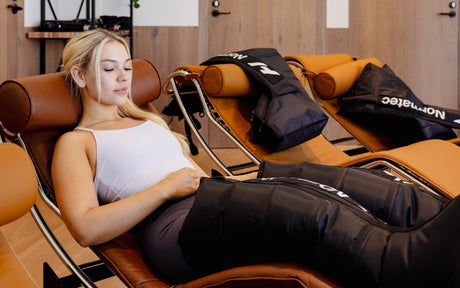
Creating Your Own Wellness and Recovery Space in 2025
As the global wellness economy continues to expand, there is an increasing demand for fitness facilities...
- hyperice recovery wellness
Fitness news
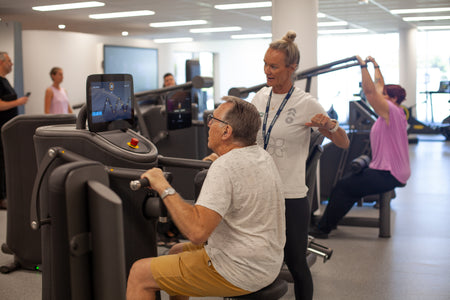
Scaling Hyper-Personalisation for Fitness Facilities
Tailoring Experiences: Scaling Hyper-Personalisation for Fitness Facilities In Australia’s fast-paced fitness industry, hyper-personalisation has become a...
- egym personalisation wattbike
Fitness news
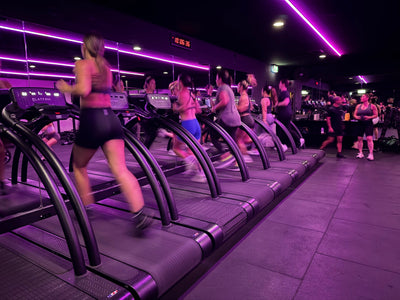
The Upward Trend of Boutique Gyms and Personalised Fitness
Over the last few years, the fitness industry has seen a strong shift towards boutique gyms...
- boutique gym personalisation
Fitness news
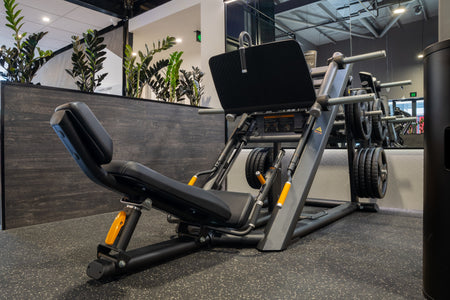
The Strength Training Revolution: Equip Your Gym for the Future
In recent years, strength training has undergone a significant transformation, emerging as one of the most...
- gym strength training